
Chalisa
Ram Chalisa: duty and narrative context
Study forms of address, story references and responsibility in Rama praise.
Key ideas from this article
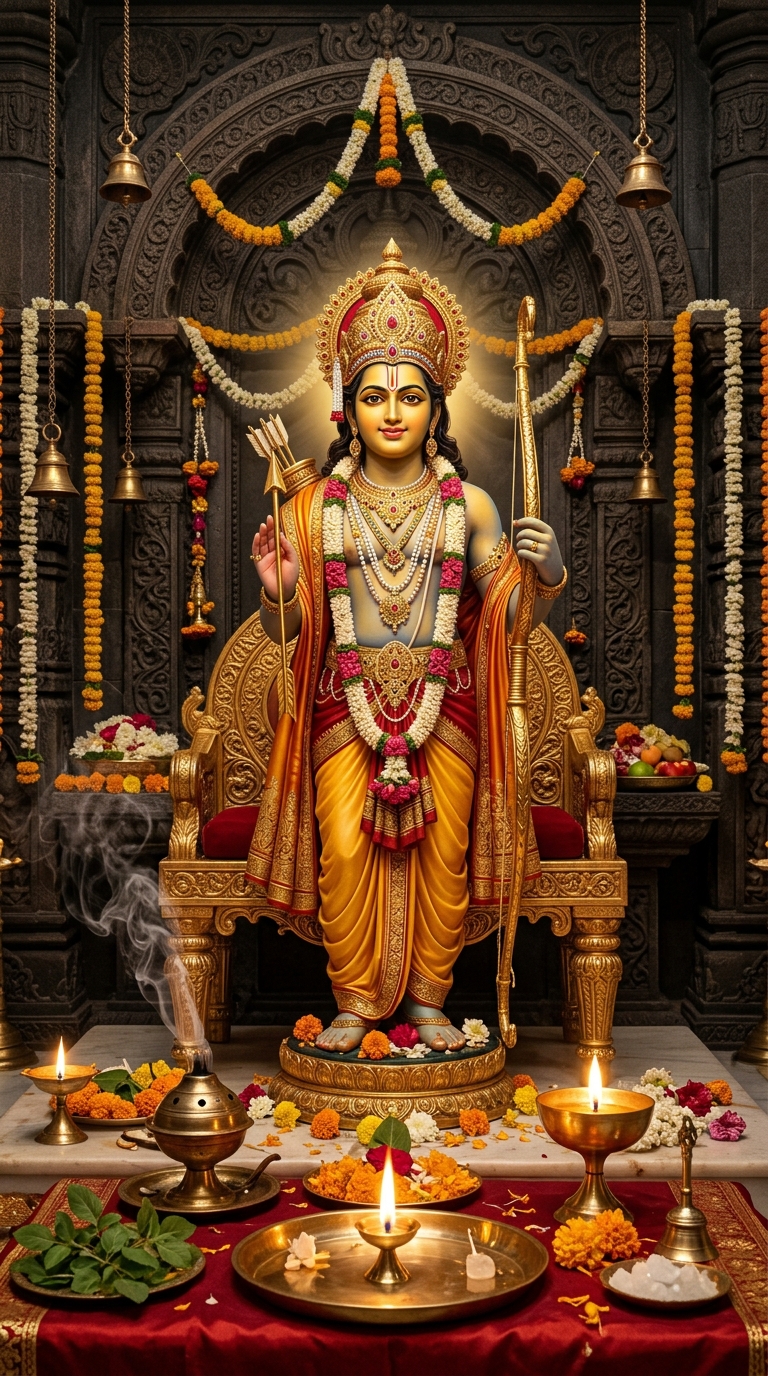
Study forms of address, story references and responsibility in Rama praise.
Praise and the Rama narrative
Brief references in praise poetry can evoke much longer episodes. Notice whether a name highlights a king, son, companion or beloved deity. Understanding a phrase does not require reducing the entire narrative to a single moral.
Respecting different retellings
Rama narratives exist in Sanskrit, Awadhi and many other languages. When details differ, check the work, language and author. A family’s preferred edition can be valued without dismissing another unexamined version. This page does not reproduce the traditional Chalisa.
Preparing to read
Write down unfamiliar names and places. After a short section, explain its meaning in two sentences of your own. Group participants need not read at the same speed; one may explain while another records questions.
Reflecting on responsibility
Consider the expectations of your roles at home and work. Clarify commitments, remember promises and listen during disagreement. A religious example can support self-reflection without being used to pressure or humiliate another family member.
Read next

Hanuman Chalisa: introduction and practice
An introduction to a devotional work dedicated to Hanuman.
View details →
Ganesh Chalisa: a guide to meaning and study
Read Ganesh praise through the themes of beginnings, discernment and humility.
View details →
Shiv Chalisa: names, symbols and study
Understand names and narrative references in Shiva praise without losing their context.
View details →
Durga Chalisa: strength and compassion
Separate names, narrative imagery and prayer when studying praise of the Goddess.
View details →