
Chalisa
Shiv Chalisa: names, symbols and study
Understand names and narrative references in Shiva praise without losing their context.
Key ideas from this article
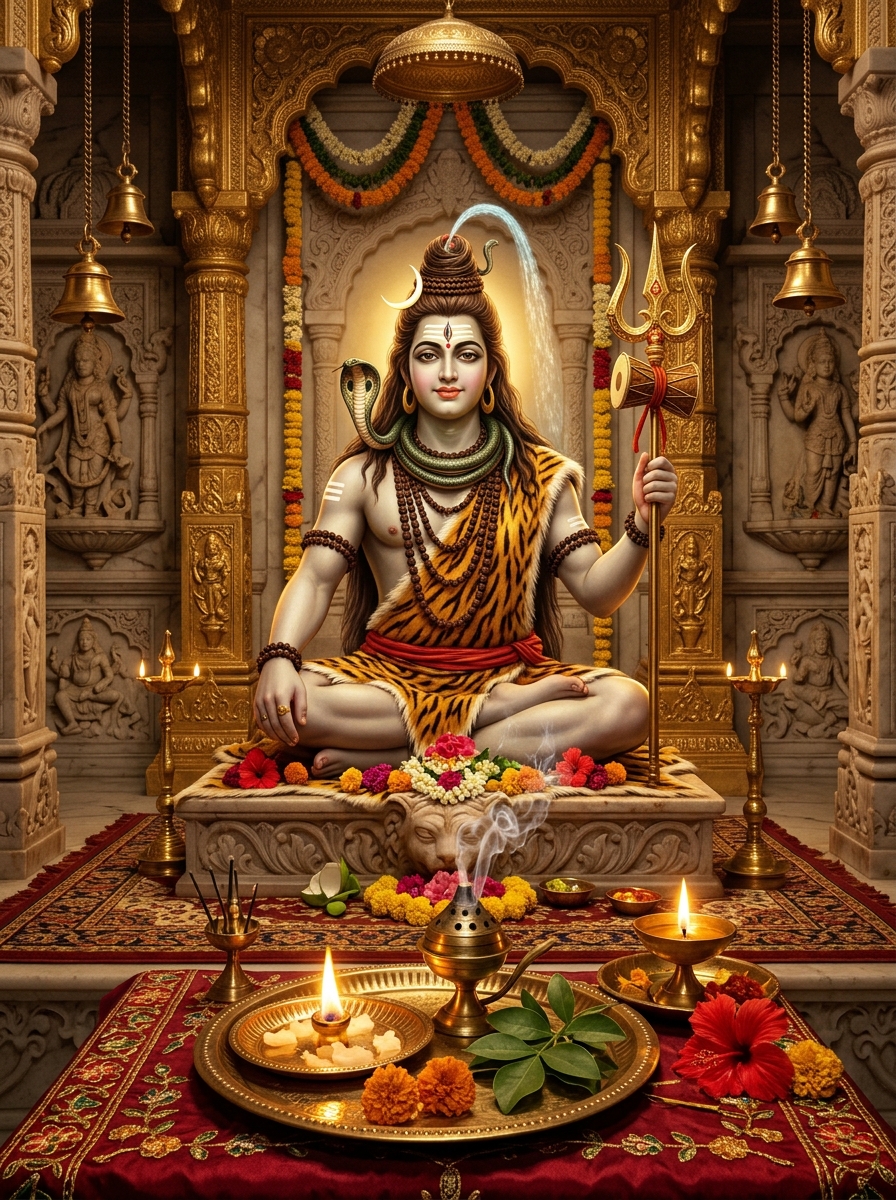
Understand names and narrative references in Shiva praise without losing their context.
From a name to its context
Names such as Mahadeva, Shankara and Nilakantha express different qualities or narrative associations. Keep a short glossary so that repeated words become familiar. This introduction supports the reading of your edition; it does not replace the traditional Chalisa.
Narrative references
References to the blue throat, Ganga and the moon connect to wider Shiva narratives. A single phrase does not explain an entire story. Consult the notes in your edition and recognise that details can differ between Puranic and regional retellings.
Reading and pauses
Read a difficult compound slowly before joining it to the whole sentence. A knowledgeable reader can help locate pauses that preserve meaning. Use ordinary breathing and avoid straining the voice. Arrange the book, glasses and lighting before starting.
Reflection on simplicity
Simplicity need not mean abandoning household responsibilities. After reading, consider one manageable change to unnecessary spending, hurried decisions or harsh speech. A family Monday observance can shape your own routine without becoming a requirement imposed on everyone else.
Read next

Hanuman Chalisa: introduction and practice
An introduction to a devotional work dedicated to Hanuman.
View details →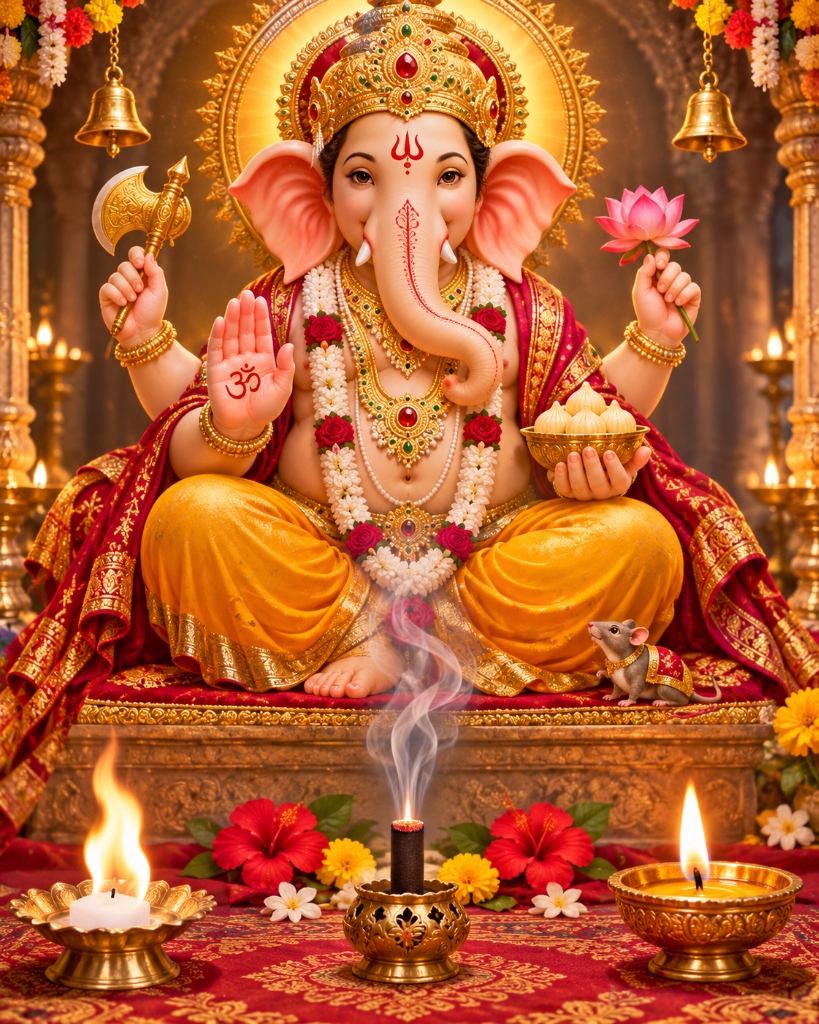
Ganesh Chalisa: a guide to meaning and study
Read Ganesh praise through the themes of beginnings, discernment and humility.
View details →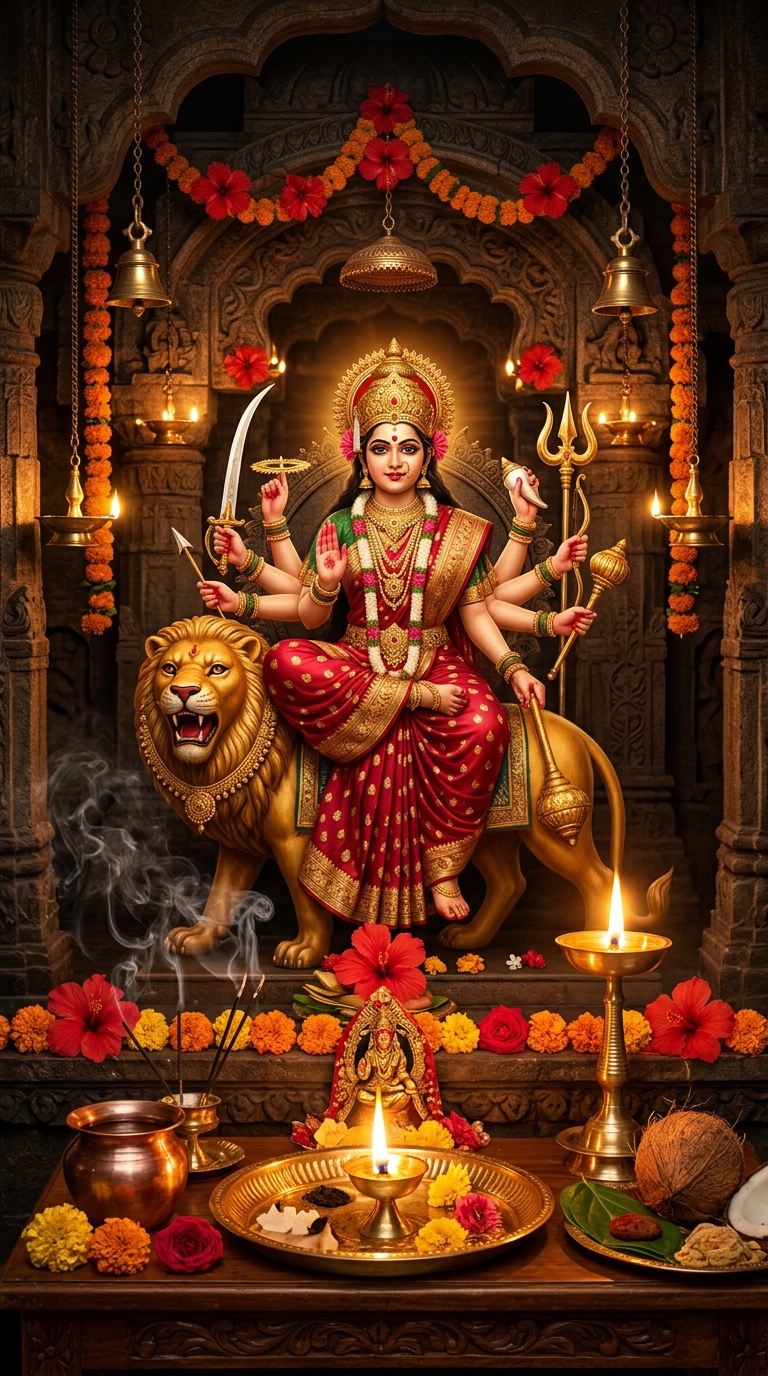
Durga Chalisa: strength and compassion
Separate names, narrative imagery and prayer when studying praise of the Goddess.
View details →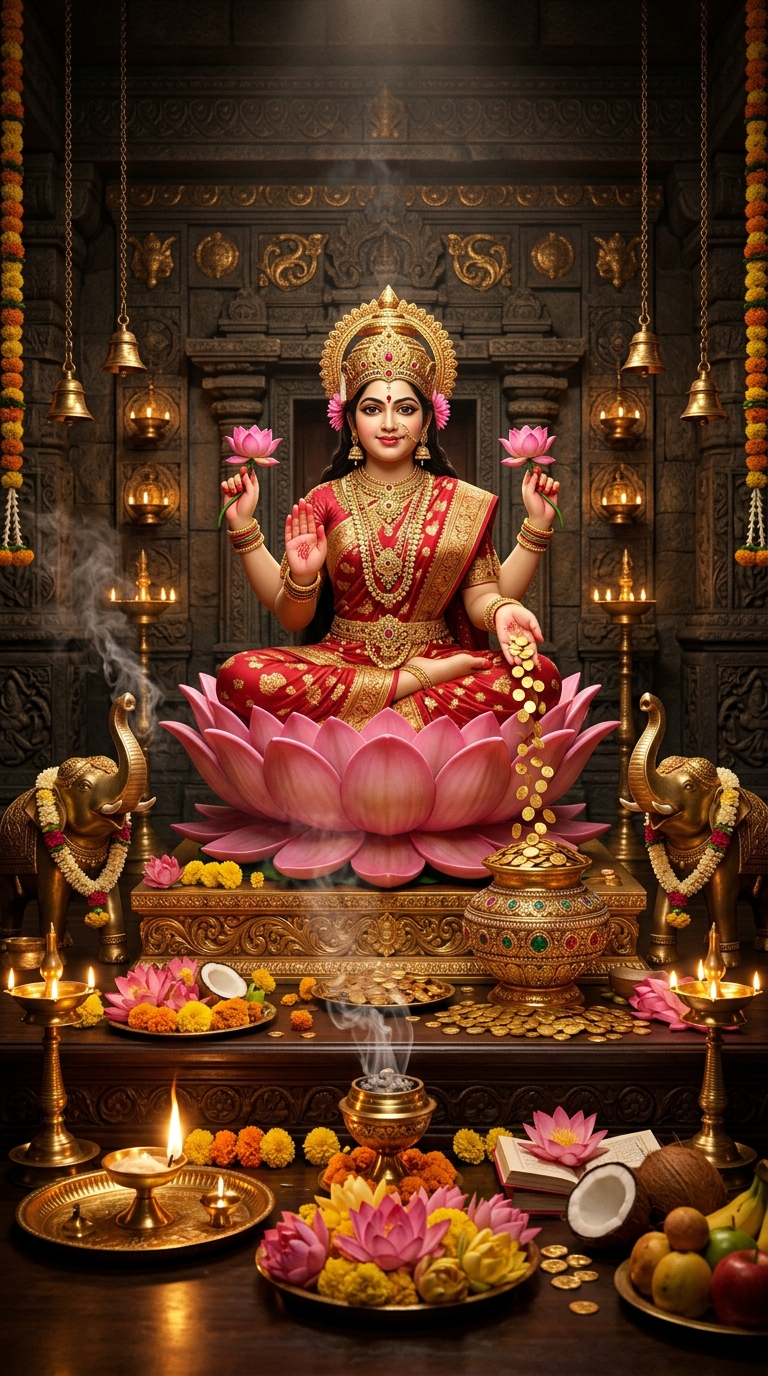
Lakshmi Chalisa: prosperity and responsible use
Explore gratitude, household life and the use of resources in Lakshmi devotion.
View details →