
Chalisa
Krishna Chalisa: devotion, Lila and relationship
Recognise the changing narrative and emotional voices of Krishna praise.
Key ideas from this article
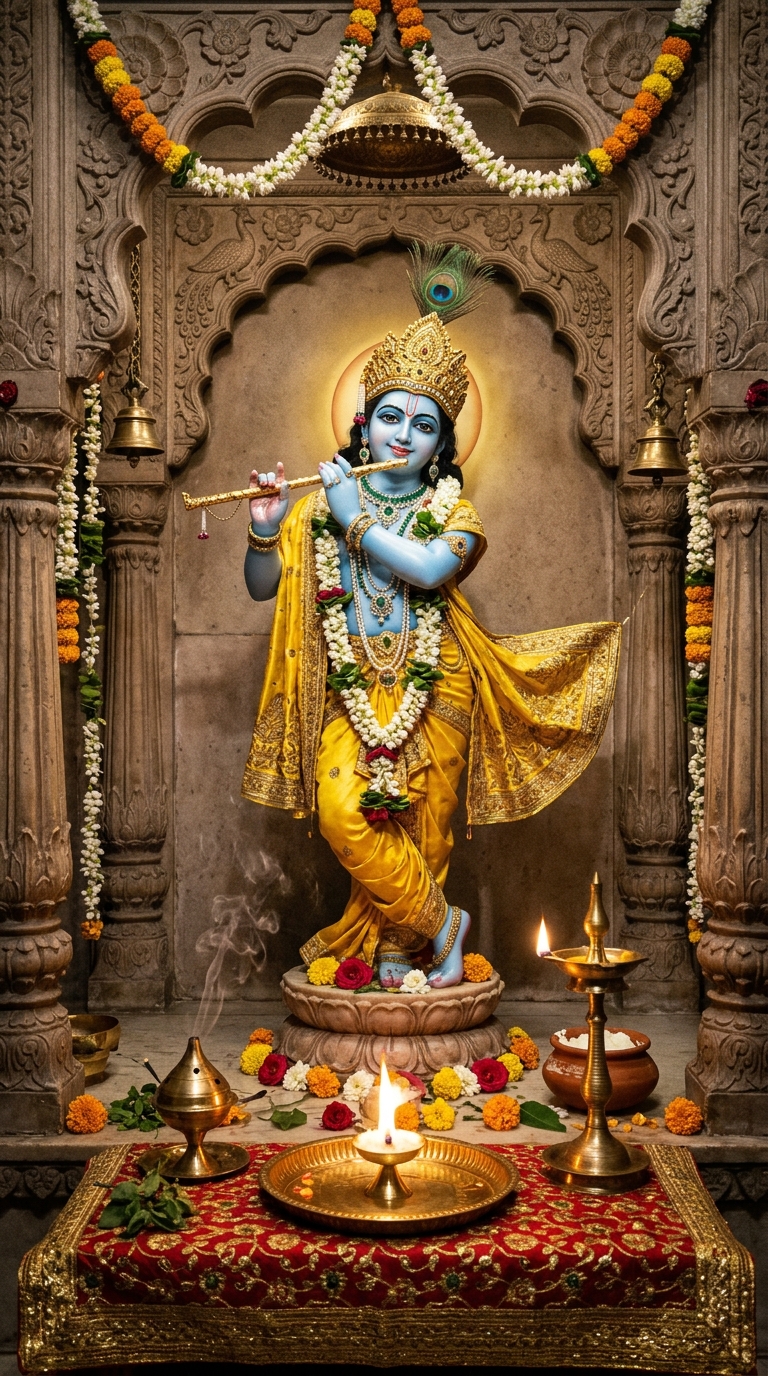
Recognise the changing narrative and emotional voices of Krishna praise.
More than one devotional mood
Krishna devotion includes childhood narratives, friendship, compassion and guidance. Notice which relationship is foregrounded in each part of your edition. Treating every passage as the same literal rule can obscure its particular meaning.
Context for Lila
References to butter, the flute, Govardhan or the Gita point to different narratives. Folk songs, Bhagavata storytelling and the Gita are distinct literary settings. Identify the source before presenting a phrase as a direct quotation from another work.
Voice and words
Choose a comfortable pitch when singing and keep words clear. Ask nearby people before making a personal practice recording. Check permissions and credit before sharing someone else’s performance. This page contains neither a complete Chalisa nor an audio recording.
Joy with responsibility
Devotional joy can coexist with everyday duties. After reading, make time for a relationship, share a meal or finish a task. Affection also involves respecting another person’s independence and boundaries.
Read next

Hanuman Chalisa: introduction and practice
An introduction to a devotional work dedicated to Hanuman.
View details →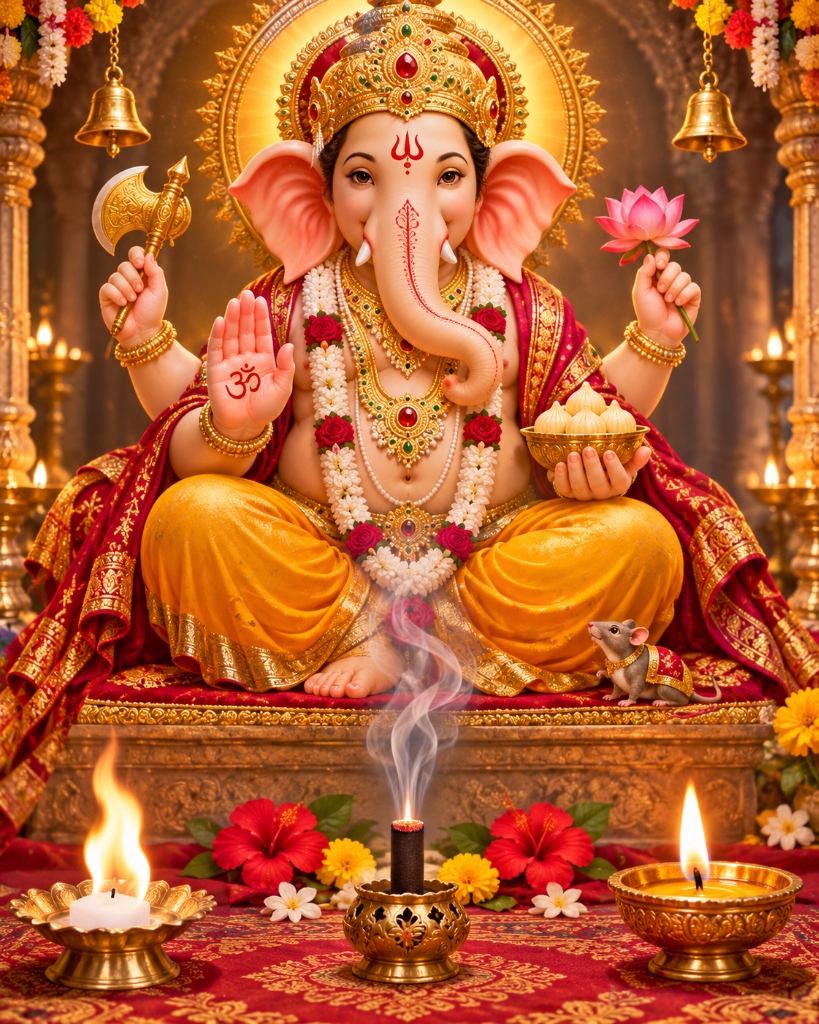
Ganesh Chalisa: a guide to meaning and study
Read Ganesh praise through the themes of beginnings, discernment and humility.
View details →
Shiv Chalisa: names, symbols and study
Understand names and narrative references in Shiva praise without losing their context.
View details →
Durga Chalisa: strength and compassion
Separate names, narrative imagery and prayer when studying praise of the Goddess.
View details →